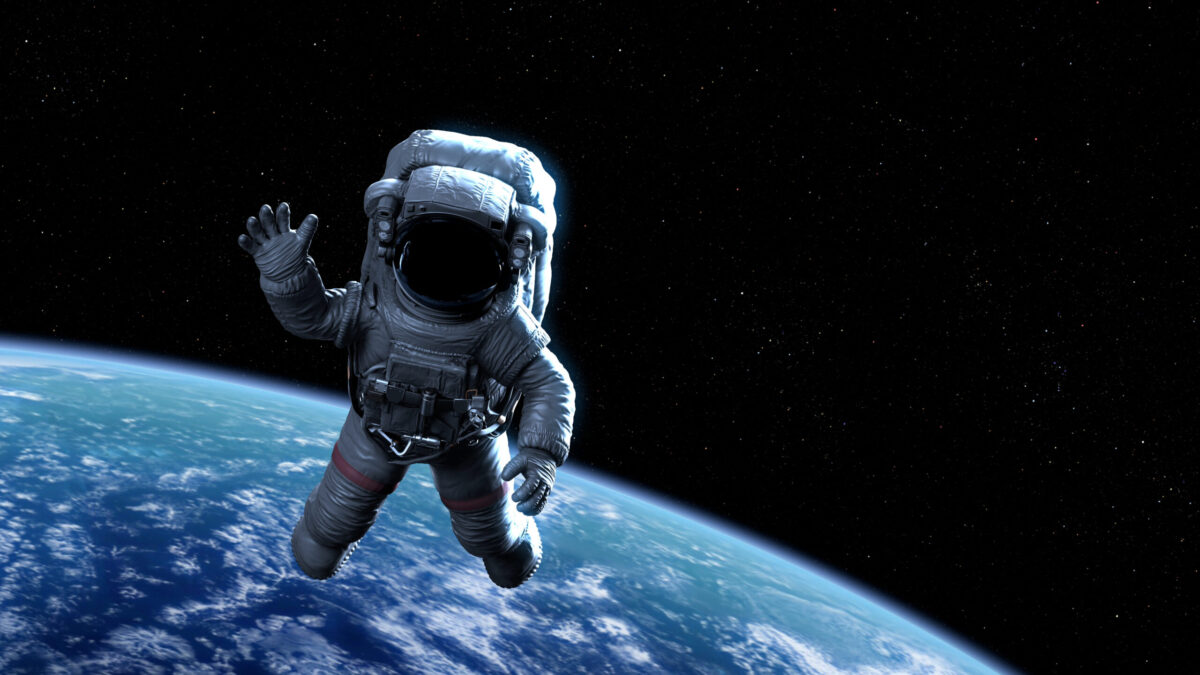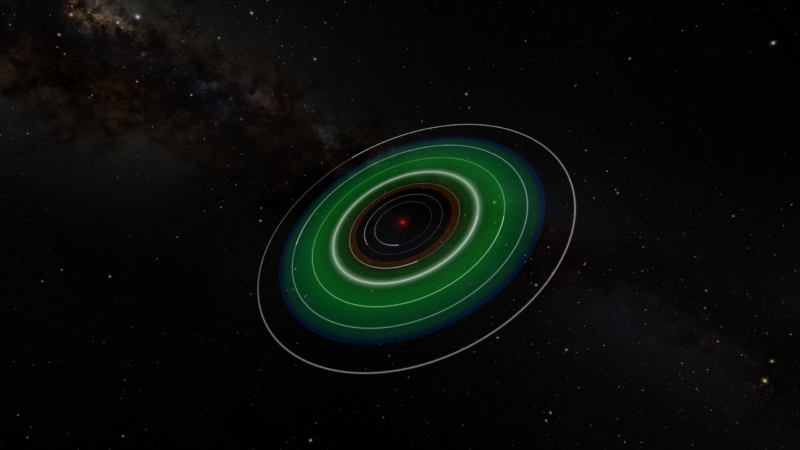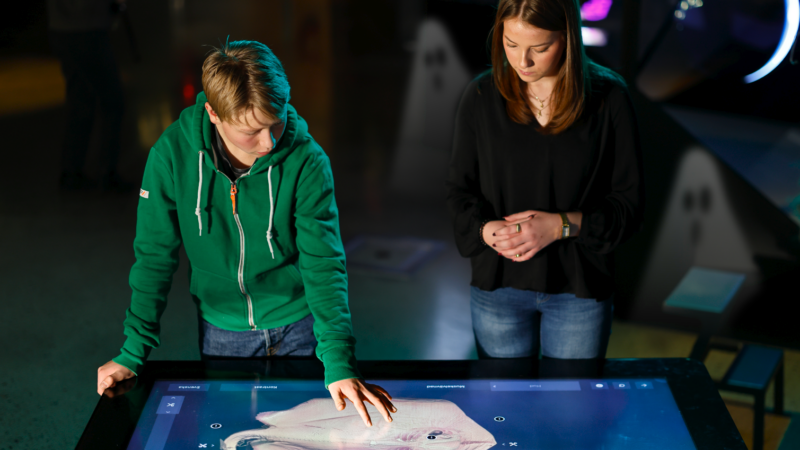

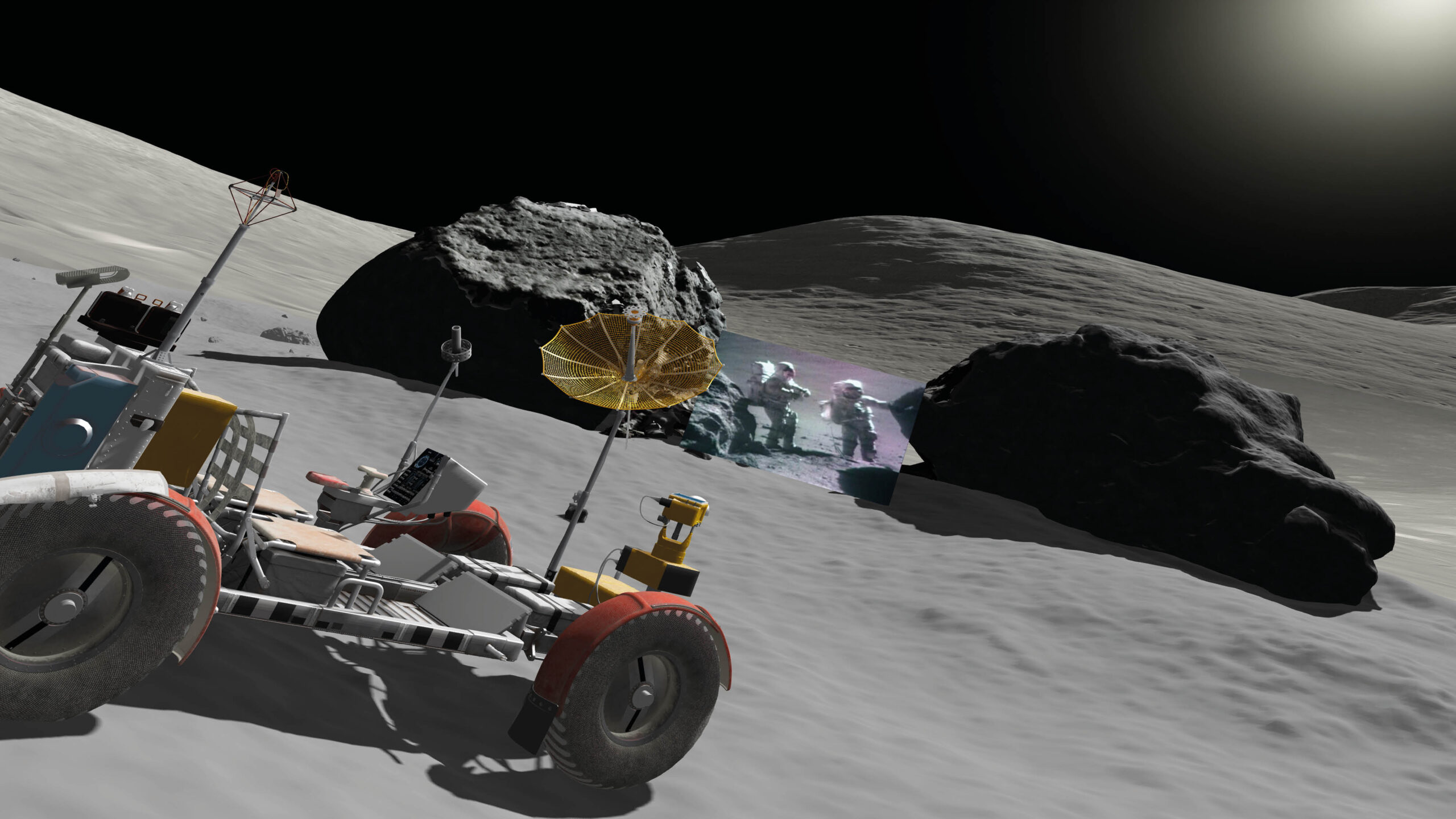
The film Once Upon the Moon allows the audience to experience the moon landings in the 1970s as if they were there themselves. Authentic footage, astronauts’ own stories and the latest visualisation technology make this possible. Produced at Visualization Center C in Norrköping, the film will be shown worldwide.
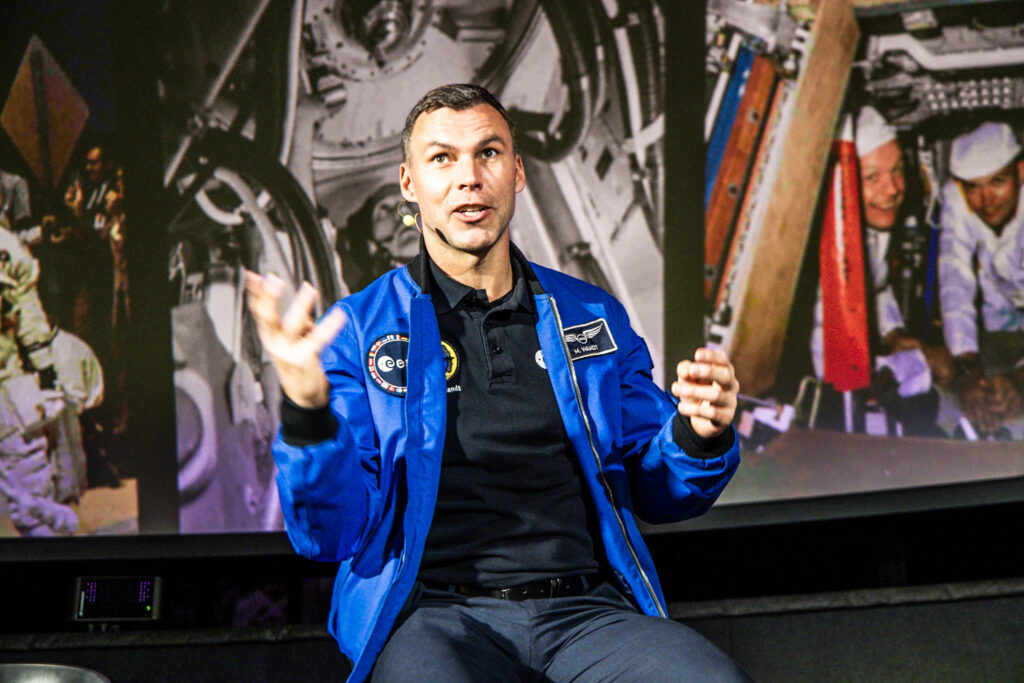
“Once Upon the Moon brings back a lot of the feeling of actually being in space,” said Marcus Wandt, one of the astronauts featured.
A scientific time capsule
Unlike traditional films, Once Upon the Moon is shown in a dome theatre, where the image fills the entire field of view and the audience is literally at the centre. Historical archival footage from the Apollo expeditions has been placed exactly where it was actually recorded, through visualisation technology in high-resolution scientific models of the moon.
“We have created a scientific time capsule for one of the most important events of the twentieth century, which can be valuable to humanity in a hundred or even a thousand years,” says executive producer Anders Ynnerman, professor of scientific visualisation at Linköping University and consortium director of Visualization Center C.
Wanting to take more people back to the moon
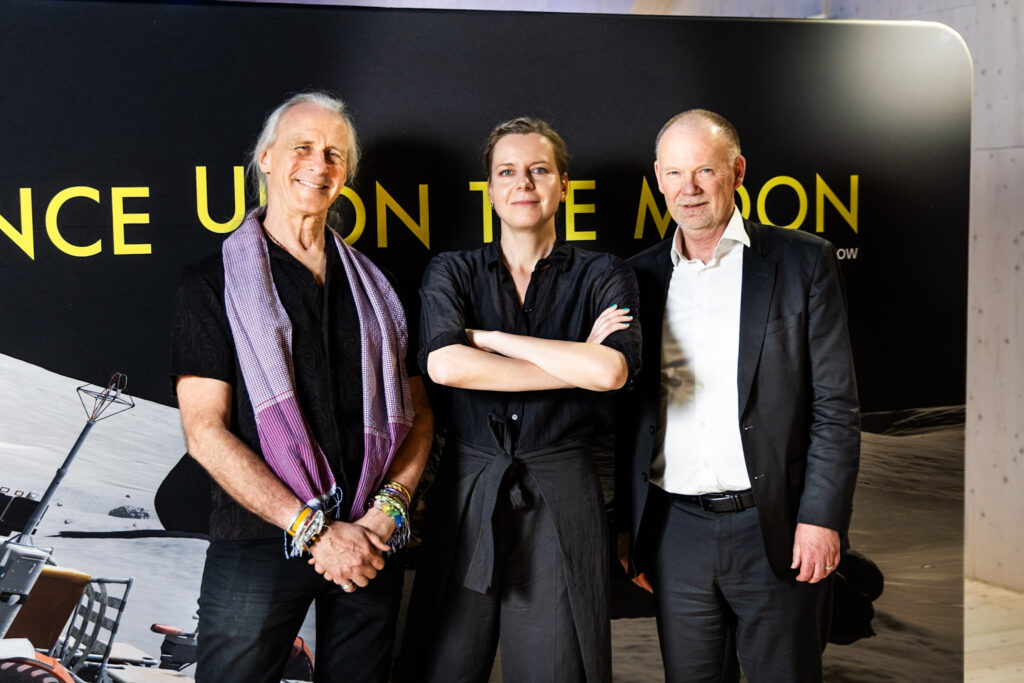
Director Carter Emmart is internationally renowned in astrovisualisation and has long had the vision to take more people back to the moon. The idea became a reality when he came to Visualization Center C and Linköping University as a visiting professor within the framework of Peter Wallenberg’s visiting professorship in visual science communication.
“I hope it will engage people, experiencing the Moon and by seeing our own planet from there,” Carter Emmart says.
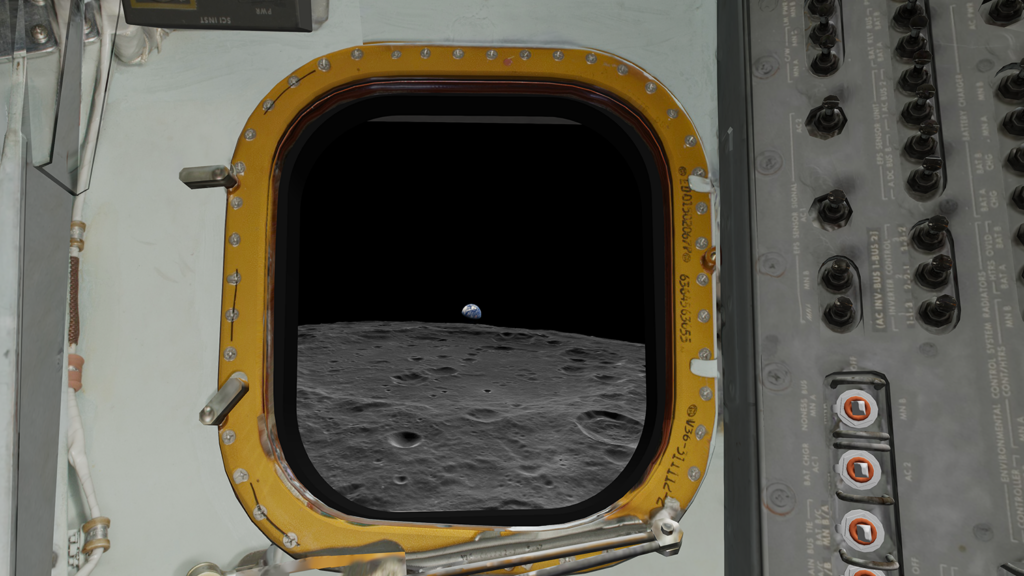
He mentions the iconic image Earthrise, taken during an Apollo mission and for the first time showing Earth as a vulnerable, lonely planet in space. This image is one of many taken with Hasselblad cameras during the expeditions, and they are an important feature of Once Upon the Moon. The production has received funding from the Hasselblad Foundation.
World premiere
The film premiered on 21 May at Universeum in Gothenburg. Universeum’s dome theatre is one of five in Sweden that collaborate within the framework of Wisdome, a national initiative in visual science communication through, among other things, dome films.
“We know that young people’s interest in technology and science is waning. We want to induce a sense of ‘wow’ in the next generation of researchers and engineers and show how exciting science can be,” says Anders Ynnerman.
Astronauts from different eras
Once upon the Moon features interviews with two of the Apollo astronauts who have been to the moon – Charles Duke and Harrison Schmitt – and two modern astronauts – Christina Koch and Marcus Wandt. Together, they connect the moon landings with the moon journeys of today and tomorrow.
“We need to go back to the moon to be able to travel to Mars,” Marcus Wandt said.
When asked if he would like to go to the moon, he replied:
“Absolutely!”
Lokal premiere may 27
Once Upon the Moon premieres at Visualiseringscenter C during SpaceNight on Wednesday, May 27, and will then be shown at WISDOME Norrköping starting May 30.